
Tekoa Site Feasibility Study for the Port of Whitman County
January 10, 2025
Project Summary
Tekoa, Washington
A 15.44-acre former agricultural airstrip that the Port of Whitman County is readying for five industrial tenants.
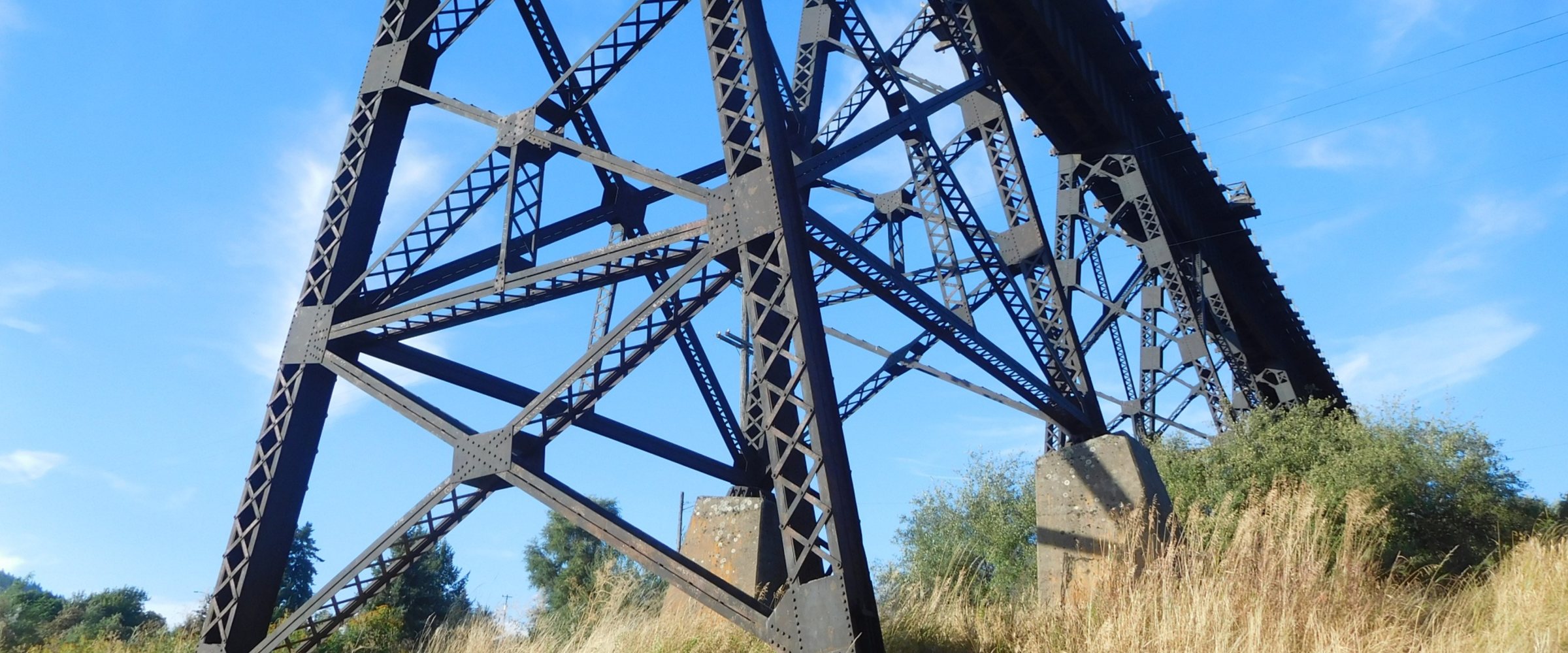
Milwaukee Railroad trestle, Tekoa. Photo: Robert Ashworth, CC BY 2.0, cropped
Key Findings
$29.97M
Annual output at full occupancy
Five industrial tenants could generate about $29.97 million a year in economic output in Whitman County and $32.8 million statewide.
205
Jobs in Whitman County
About 100 jobs would be created at the park, roughly 20 per tenant, with ripple effects reaching 205 jobs in the County and 217 statewide.
$590K
New County tax revenue
Whitman County would gain about $590K in tax revenue and the State over $2.7 million. Construction adds about $26.4 million in investment, at median wages of $28 to $44 an hour.
Source: Points Consulting, Tekoa Site Feasibility Study, January 2025. Impacts assume all five lots are occupied.
Project Overview
PC completed a feasibility study for a development site in Tekoa, WA owned by the Port of Whitman County. The Port is targeting heavy industrial and manufacturing businesses to commit to the future Tekoa Industrial Park Site in an attempt to help decrease the county’s reliance on agriculture in the area, which employs over six-fold the number of agricultural workers than the U.S. average. Our team was tasked with conducting a site feasibility study to measure the readiness of Northeast Whitman County in accommodating five new industrial businesses.
The data collection/market analysis phase included extensive research on job benefits and workforce statistics for the area, as well as educational attainment and industry trends. The Economic Impact Analysis portion of our study found that Whitman County may see a $30M increase in output, which would lead to an additional $495K in tax revenue. This laid the groundwork for our team to make recommendations on how the site can be utilized and marketed to the private sector. The PC team also worked in compliance with the Community Economic Revitalization Board (CERB) requirements for grant funding, which includes projecting future economic output and growth for the surrounding area. The overarching project goal was to acquire CERB funding and fill the Industrial Park with five industrially focused tenants.