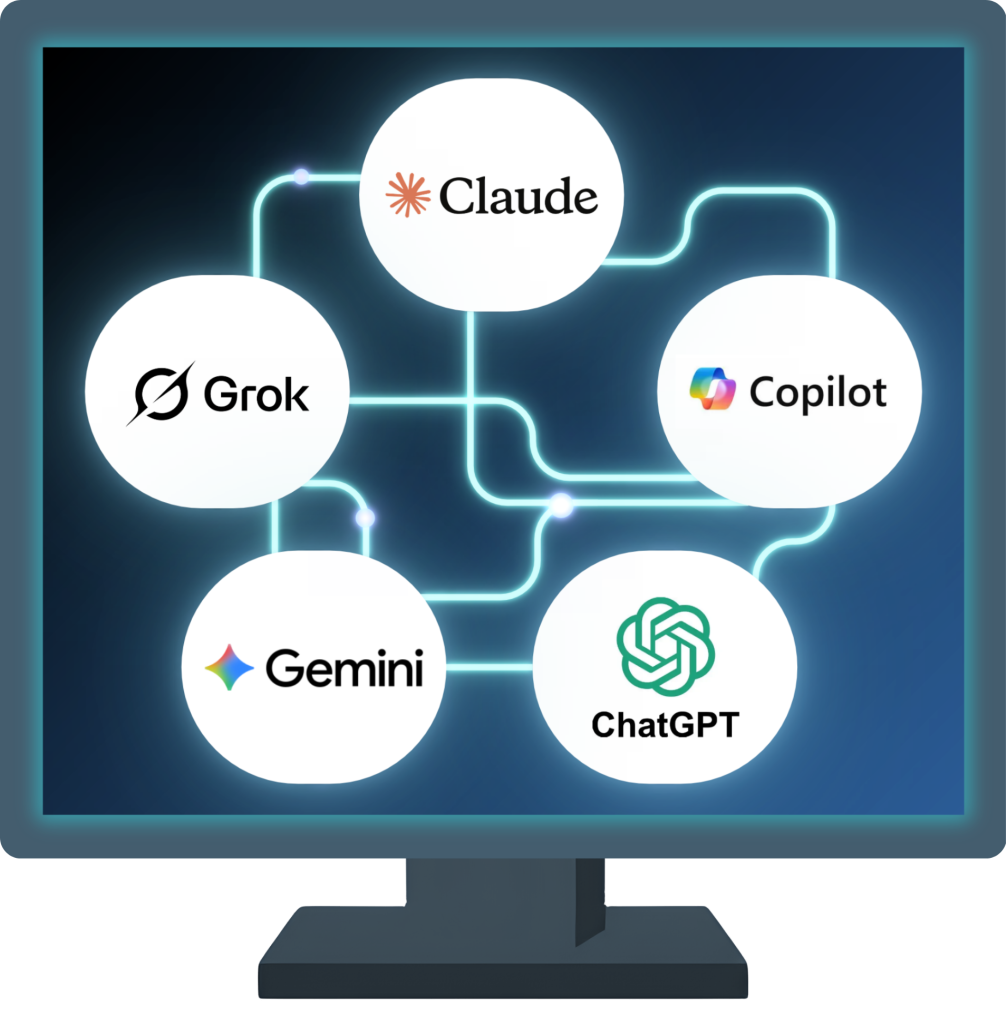
Any recommendations written on AI usage in 2026 should come with a prominent “work in progress” caveat. Of necessity and responsibility, consider that caveat initiated. The truth is that we are all still learning how to navigate a work reality where the AI option is perpetually whispering in your ear, “how much of this task could AI do?” If this document comes up short anywhere, consider it the limitations of the author’s own experience and knowledge. (I’ve yet to install a facial emotion tracking camera at the office, so get back to me in a year on that one).
An AI policy document from most companies would include information such as which platforms are considered acceptable, how and when to use AI, how to protect sensitive data, and other such topics. Starting here assumes staff know anything at all about what AI is and is not, and how it might affect them at a human level. It’s like giving someone a compass without a map. This document has some standard AI policy information, but more importantly this is a guide on “how to think of AI” rather than a precise list of do’s and don’ts. As the company learns over time, we will figure out the workflows we want to lean into and those we want to steer away from.
Introduction
I have found that some people need encouragement in using AI to enhance their quality and productivity. Other people need substantial mental reframing on the benefits of using less AI. In this policy, I hope you’ll find something that addresses both audiences.
In general, PC supports responsible usage of AI to enhance productivity, mitigate drudgery, and improve the quality of our deliverables. With or without AI, employees still bear personal responsibility for the accuracy and quality of their work. We do not want employees to be bashful about their AI usage and experiences. Some things will work great, and others will not. We encourage employees to experiment in low-risk environments, share their experiences, and when something does not work, do not make the same mistake twice.
Philosophical Stuff that Will Protect your Soul
First and foremost, do not buy the lie that Artificial Intelligence is human (or on the way to becoming human, or superior to humans). Neither believe any of the downstream lies that tech culture conveys about AI related to “singularity”, the “next step in human evolution,” and all the rest. The second that you do, you’ve been suckered. And at that point it does not matter what you implement as a policy, you will start making catastrophic mistakes that will leave a sour impression on our clients.1
"Having some day-to-day caution about AI will prevent you from becoming the tool that serves its master, rather than the other way around."
As I, Brian, have watched the evolution of AI adoption and rhetoric in our industry, my concerns have sharply increased. The appeal is obvious. If you can accomplish a task faster in the business setting, why wouldn’t you do that? It’s a valid question, but philosophically, you must ask yourself 1) is faster always the better outcome? 2) even if you can do it faster and with equal quality, is this process what is best for me and our organization?
In business, the AI conversation is too strictly focused on productivity. At least two key points are missing from this equation. First, the process of work is inherently good and ennobling — both for the world and for us as humans.2 Secondly, AI usage is not free. It is often said that you get what you put into something. Well in this case AI gets what you put in. It keeps it and you know not where it goes. Along the way, it also gets a piece of you — your personal data, our intellectual property, your creativity, and eventually (maybe) your allegiance. Therefore, having some day-to-day caution about AI will prevent you from becoming the tool that serves its master, rather than the other way around. Recognizing these truths can help us understand the dividing line for where to and where not to use AI.
More Practical Stuff
I’d use this simple litmus test. The closer your task is to process fodder the more you should lean on AI. The closer it is to either Art or Science, the less you should lean on it. By process fodder I mean work that just needs to get done and is not particularly thoughtful, creative, or value-added. Things we have done tens or hundreds of times and have more or less worn a path to get to that outcome. These are typically the tasks crying out for a more efficient process anyway.
"The closer your task is to process fodder the more you should lean on AI. The closer it is to either Art or Science, the less you should lean on it."
"AI writing comes off like someone took a bath in Harvard business school case studies and then rolled around in San Francisco Tech bro culture for a little while. This is not who we are."
As I tell all employees when they start at PC, you are not just an “X” you are also a professional communicator. Don’t outsource that role and expect good results. It’s becoming increasingly obvious when somebody dishes out AI drivel. Putting out that type of work is the biggest risk to our brand. Always make sure your output is according to the carefully created PC style guide. This is the voice that we have diligently cultivated. AI writing comes off like someone took a bath in Harvard business school case studies and then rolled around in San Francisco Tech bro culture for a little while. This is not who we are. We are intentionally high on words the real people use, and intentionally low on fancy but meaningless jargon.3
Use Cases
For the workflow of Points Consulting, here are some occasions where you can (and should) use AI:
- Plug and play document creation: this applies both to proposals and project work. If you have relevant templates to feed AI and the end goal is substantially similar to a prior end goal, go for it.
- General background research: understanding places is an important part of what we do. AI can be very helpful as a first step for the who, what, where and why about our clients. But, don’t just take AI’s summary for granted, find the source materials that matter and read them yourself.
- Reviewing and recommending: generally, you should be authoring your own first cut. After that, asking AI to help you groom and sharpen your narrative is completely appropriate.
- Information consolidation: AI is pretty good at picking out highlights from long laundry lists (e.g. comments from clients, RFP Q/A’s, etc.). Use it as a first cut, but if you are the one responsible for dotting every “i”, don’t expect it to produce perfection.
Getting AI assistance on spreadsheets produces its own variety of opportunities and challenges. Generally, look out for potentially weird syntax and formula styles that it may generate, and inconsistencies in linking and summarizing across multiple tabs. At some point, you will need to step into the process and shape it. If you don’t understand what the formulas are doing, it’s going to be impossible for you to do that.
Here are some additional guidelines for how you should be thinking about AI in the work context:
- Don’t put confidential data at risk. This includes obvious things like personal data, banking numbers, API keys, etc. This also includes anything that the project manager (PM) has identified as sensitive internal or client data. If you are wondering if it’s a good idea, listen to that hesitation and ask the PM.
- Don’t use AI to do wholesale writing for you
- Don’t take AI summaries for granted. Demand evidence and investigate it.
- Be a good AI manager. That means do not give vague instructions. This does not work for employees and it does not work for AI. Be specific about your parameters.
- Don’t give up too quickly. AI sometimes needs time to triangulate what you want and you may have to iterate a few times to get there.
- There is not and never will be a substitute for reading and deep thought. You are called to be an expert which means you need to engage all your brain cells the old-fashioned way. Reading, doing, thinking and revising with your own brain.
- Higher level AI will give you an opportunity to multi-task in a responsible way. If your AI is working on a solution, expect that to take time proportional to the complexity of the request. This is an opportunity to do something else and return to it a few minutes later.
Conclusion
The Internet is full of treasure and always has been. AI is giving you a shovel that can dig more precisely and deeply but digging still turns up junk. Your job as AI’s task master is to sift that output. If you get good at it, your own productivity will multiply. If you’re lazy, you will become the equivalent of a knowledge economy junkyard owner with all kinds of potentially valuable information in completely disorganized landfill.
Endnotes
______
[1] Side note, you don’t need to be weird about this either. For shorthand it is convenient to refer your AI with the “you” pronoun, and verbs more typically associated with humans, like, “think” and “recommend.” But, it is worth reminding yourself from time to time that it is not actually a “you” and it is not actually “thinking”.
[2] Yes that em-dash was intentional. I wrote it, not a robot overlord.
[3] Just ask yourself, when is the last time someone used the word “spearhead” outside of a Strategic Planning document?
PC News
New Staff Expands PC's Capabilities into Current Planning
Mike Manning, Community Planner

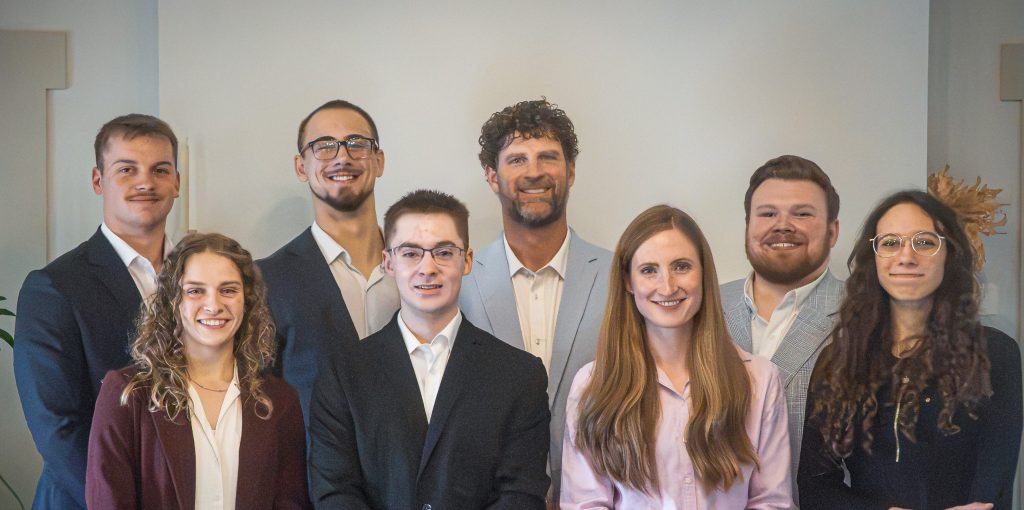
PC is pleased to welcome Mike Manning to our team! Mike brings more than seven years of experience in local government and consulting to his role as Community Planner at Points Consulting. Before joining PC, Mike worked for Grant County, Washington, the City of Pasco, and SCJ Alliance, helping communities with both everyday planning needs and long-term priorities. His experience includes development review, zoning administration, comprehensive plans, housing needs assessments and action plans, development code updates, and public engagement. He holds a bachelor’s degree in Urban and Regional Planning from Eastern Washington University. Having worked both within local government and as a consultant, Mike understands the demands on planning staff and enjoys helping communities turn their goals into practical policies and decisions.
With Mike on the team, PC is expanding its current planning services to help cities and counties manage their everyday planning workload. We can provide on-call planning support, review development applications such as short plats and boundary line adjustments, interpret zoning and development codes, and help residents and applicants understand local requirements. Whether a community needs extra capacity during a busy development season, help during a staffing transition, or ongoing support without hiring a full-time planner, PC can tailor its assistance to local needs. These services complement our housing, economic development, and long-range planning work, helping communities put their plans into practice through everyday development decisions.
Recently Completed Projects
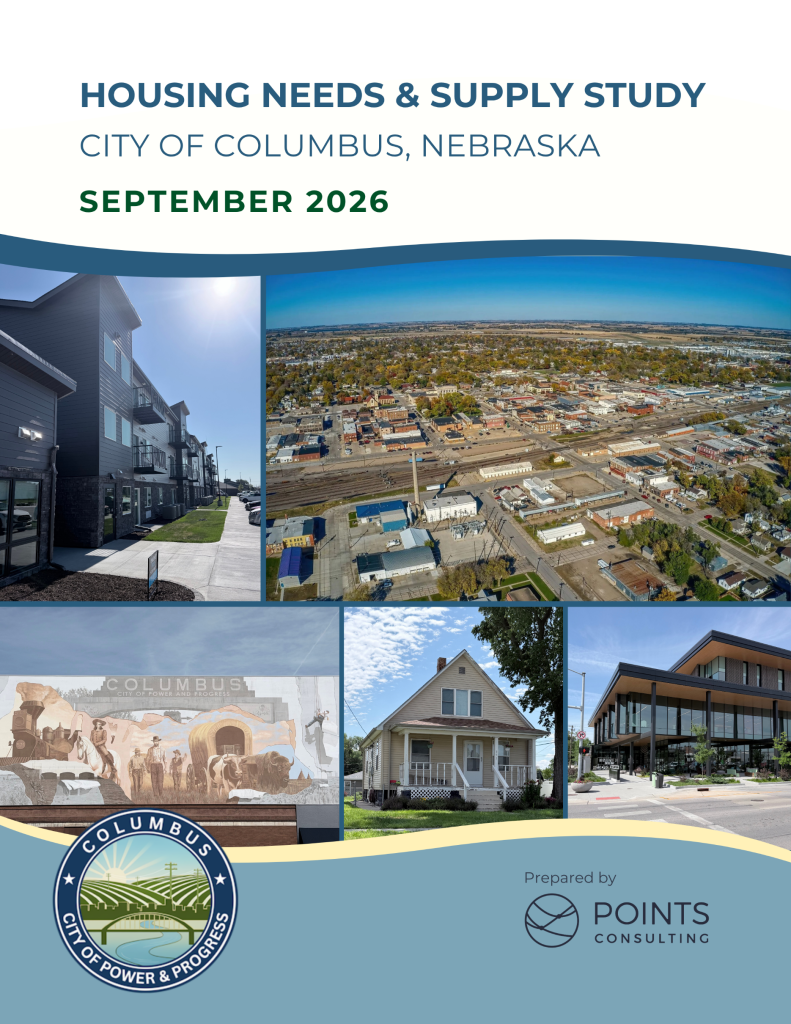
Columbus Housing Needs & Supply Study, City of Columbus (NE)
PC recently completed a Housing Needs & Supply Study for the City of Columbus. The study evaluates current housing conditions, identifies gaps in the local housing market, and projects future housing demand. It includes an analysis of demographic and economic trends, residential construction activity, housing affordability, and the condition and availability of housing stock throughout the community. PC engaged stakeholders and community members in both English and Spanish, gaining insight into workforce housing challenges and development opportunities. The final analysis identifies housing demand across a range of income levels and housing types, including owner-occupied, rental, workforce, and senior housing. It also gives city leaders, developers, and community partners a data-driven strategy to guide housing policy, investment decisions, and long-term community growth.
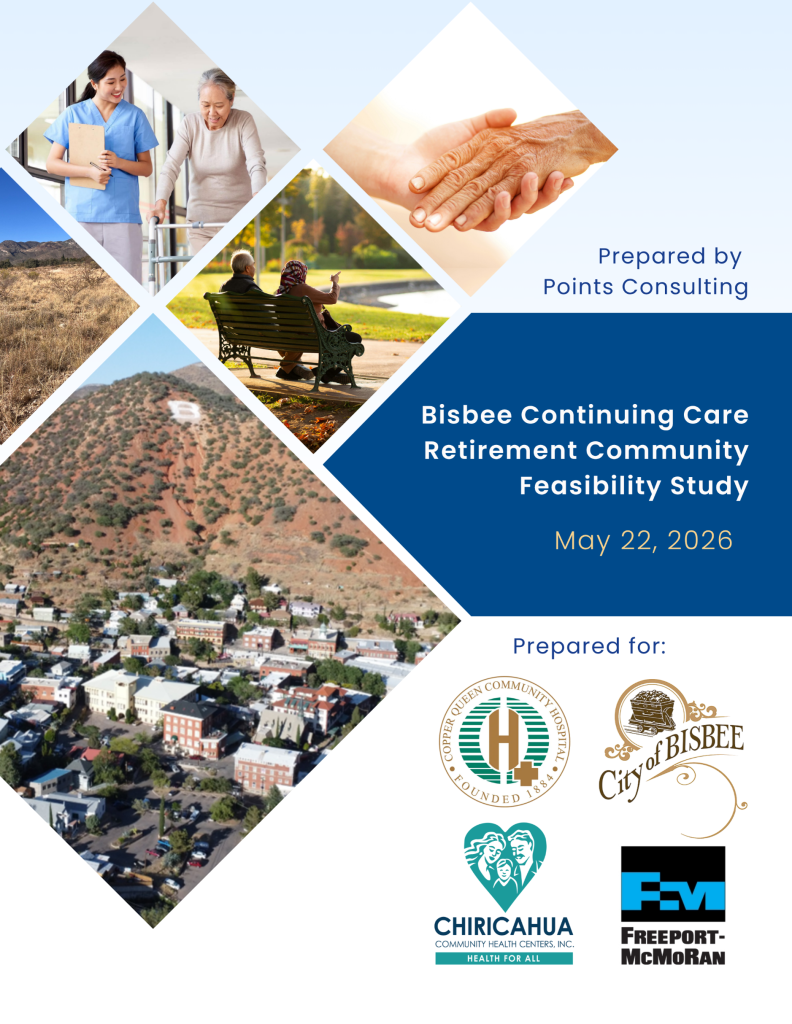
Cochise County Continuing Care Retirement Community (CCRC) Feasibility Study, Copper Queen Community Hospital Foundation (AZ)
The PC team completed a Continuing Care Retirement Community (CCRC) feasibility study for a stakeholder group in southern Cochise County, Arizona. We evaluated demand for housing and services across the care continuum, including independent living, assisted living, memory care, and skilled nursing. The study combined demographic and financial analysis, an inventory of existing facilities, evaluation of healthcare access and labor supply, and community engagement to assess development opportunities in Bisbee. PC evaluated three potential sites and modeled three development concepts. All three concepts demonstrated financial viability under the study’s assumptions, with a senior cottage community offering the strongest projected returns and the best fit with regional market conditions.

Ketchikan Indian Community Comprehensive Economic Development Strategy (CEDS), AK
PC and the Ketchikan Indian Community (KIC) have completed a CEDS detailing goals for the Tribe and impacts on the surrounding area. We provided review of the Tribe’s economic resiliency and a current strengths, weaknesses, opportunities, and threats (SWOT) analysis. Backed by survey results and public input, we designed the CEDS Strategic Direction and Action Plan to align with objectives and house posts detailed in KIC’s 2023-2027 Strategic Plan. Goals outlined in the CEDS included expansion of housing opportunities, improvement of infrastructure, and expansion of workforce development programs, to name a few. Each Goal came complete with specific objectives, actions, timeframes, responsible parties to carry out actions, and indicators of success.
National FFA Organization Program Return on Investment Analysis
Our team conducted a program-level return on investment (ROI) analysis to identify which National FFA Organization programs perform the strongest based on available program data and executive input. We also specified where data systems need improvement to inform future investment decisions. This review supported the FFA Strategic Plan conducted by Schunk Moreland Strategies, and our team carefully outlined how programs align with the Plan’s identified goals.

New & Ongoing Projects
NEW! Town of Pierce Housing Needs Assessment (CO)
NEW! Berrien County Benchmarking, Cornerstone Alliance & Aha! Consulting (MI)
NEW! Topeka Benchmarking, Greater Topeka Partnership & Aha! Consulting (KS)
NEW! Nez Perce Tribe Housing Needs Assessment 2026 Update, NCDF (ID)
Community-Level Housing Market Study Services, State of Tennessee Department of Economic & Community Development (TNECD)
Meat Processing Facility Feasibility Study, Kaibab Tribe of Paiute Indians (AZ)
Strategic Business Plan, Port of Hood River (OR)
Housing Action Plan, City of Ridgway (CO)
Medical University of South Carolina (MUSC) Economic Impact Analysis, MUSC (SC)
Douglas County Comprehensive Plan Update & Industrial/Commercial Lands Assessment, Anchor QEA and Douglas County (WA)
Chelan Comprehensive Plan Updates and Land Capacity Analysis, Anchor QEA and City of Chelan (WA)
Places We've Been This Month
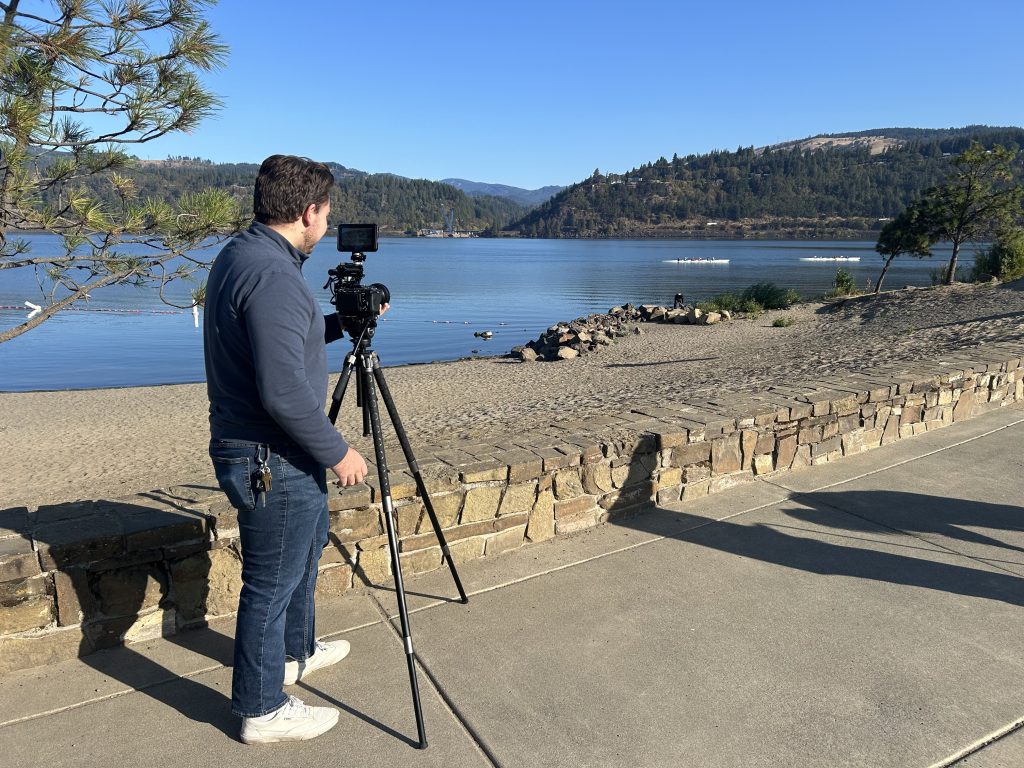
Hood River, OR
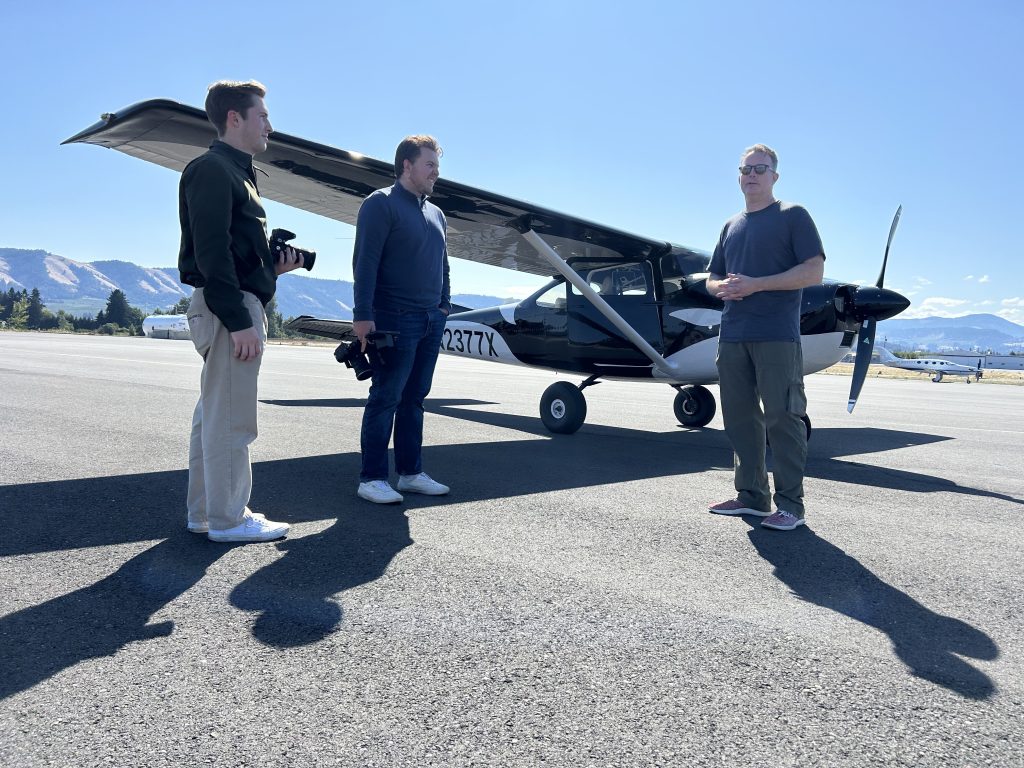
During Thomas’ visit, he worked with our videographer and the Port of Hood River Commissioners to film the port, its recreation, and its industry to create a video showcasing the Strategic Business Plan we have been creating for the Port.
Columbus, NE
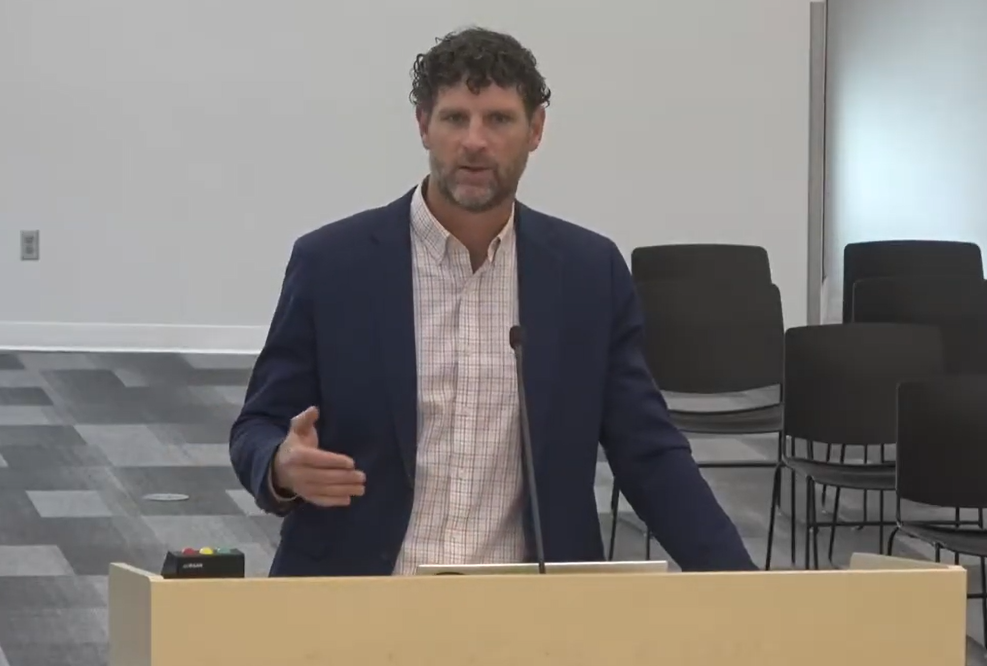
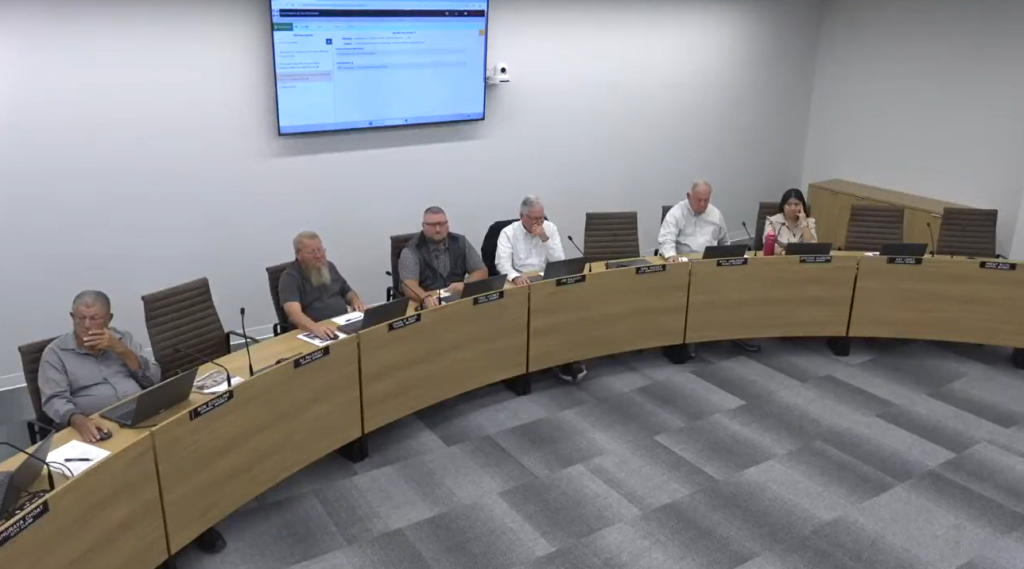
Brian presented our final Housing Supply & Demand Study to the Columbus NE City Council.
Chicago, IL
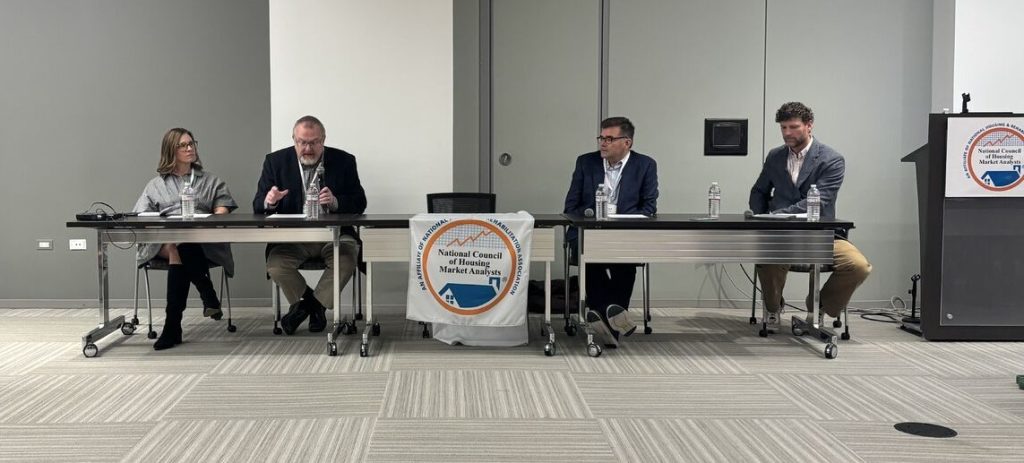
Brian went to Chicago for the annual National Council of Housing Market Analysts in Chicago, where he hosted a panel on Housing Needs Assessments & Action Plans.
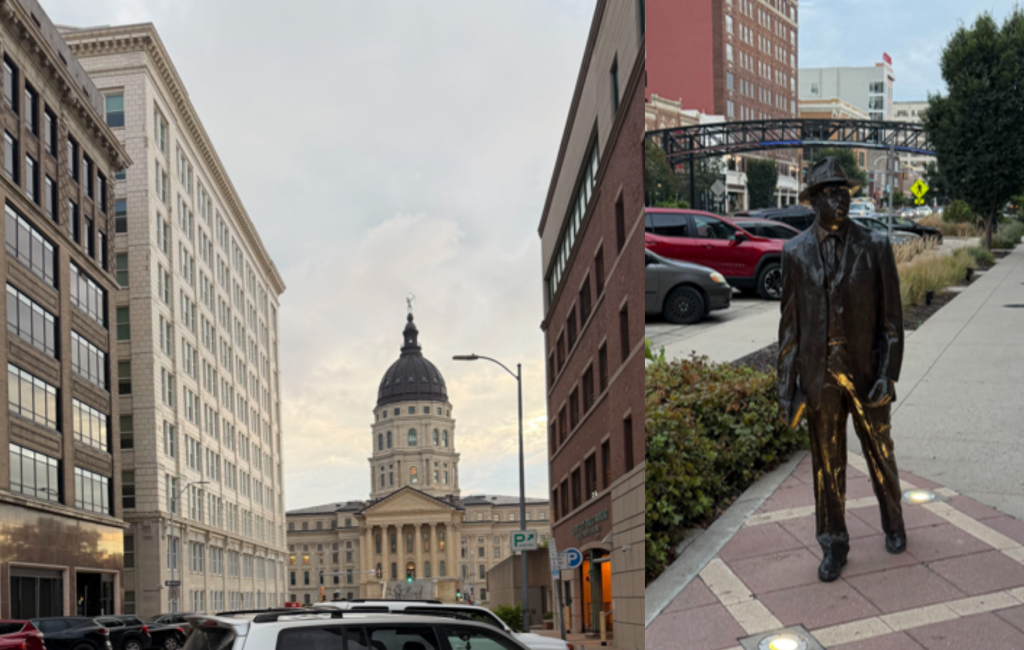
Topeka, KS
Mike visited Topeka to help facilitate focus groups to learn more about strengths and challenges in the City and Shawnee County. As the state capital of Kansas, Topeka has a beautiful capital building and novelties such as this statue of McKinley Burnett, who was the NAACP Topeka president and organized the families behind Brown V. Board of Education, ending segregation in public schools.
Fredonia, AZ
Brian made some new friends in Fredonia AZ assisting the Kaibab Paiute Tribe on a USDA-inspected Meat Processing Feasibility Study.

Interesting Finds
Workforce policy for the age of AI – Guy Ben-Ishai and Neil C. Thompson, Brookings
State Policies Could Unlock the Potential of Manufactured Housing: Five key policy improvements would promote new attainable housing, greater affordability, and preservation – Dennis Su and Rachel Siegel, Pew
Front Porch Tuesday: Who takes the keys next? – Stacy Davis, Sumner County Economic Development Commission Director, Sumner NewsCow