
Dwelling on the Future: Housing Needs & Strategies for the Preservation of San Juan’s Communities

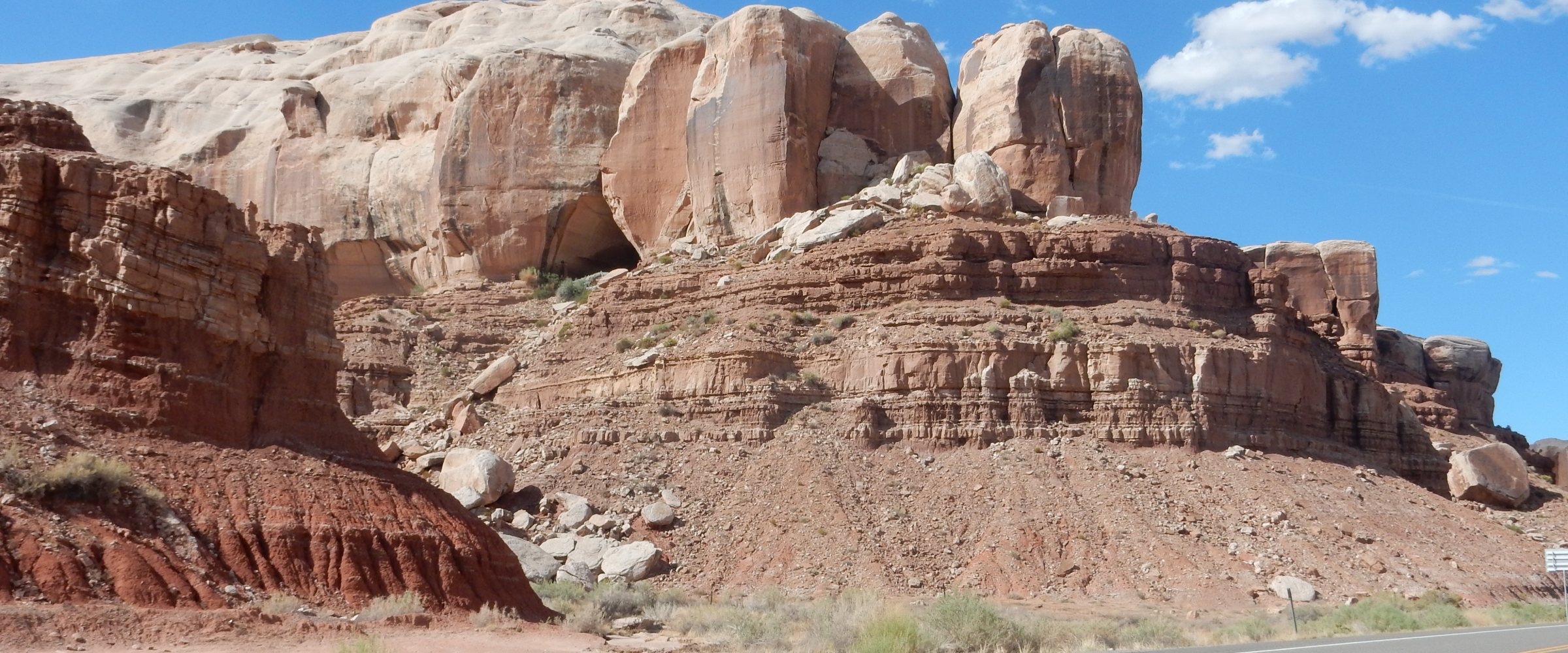
Sandstone cliffs above Bluff, Utah, in San Juan County

Project Summary

San Juan County, Utah

A vast southeast Utah county, about half Navajo Nation, balancing tourism, energy and a tight housing market.

Cliffs near Bluff. Photo: Kent G. Budge, CC0, cropped

ClientSan Juan County
CompletedAugust 2024
ScopeHousing Needs Assessment
PopulationAbout 14,350

Key Findings

01

40%

Of households can afford to buy

Only 40% of County households can afford an average-priced home, and just over 20% in Spanish Valley. The median sale price rose from $109,000 in 2013 to $332,000 in 2023.

02

5,200-6,200

Housing units needed by 2040

The County needs about 5,200 units under current trends and 6,200 if it grows modestly, with rising demand for middle-density and multifamily homes.

03

63%

Of Spanish Valley homes are short-term rentals

Short-term rentals have reshaped some towns but not others: they make up an estimated 63% of homes in Spanish Valley but only 3.3% in Blanding and 5.6% in La Sal.

Source: Points Consulting, Dwelling on the Future: Housing Needs & Strategies for the Preservation of San Juan’s Communities, August 2024.

Project Overview

San Juan County, Utah, worked with PC to complete a housing needs assessment for the region that provided updated information on affordable workforce housing and employment needs/statistics. The project required data collection on future needs for the entire county while simultaneously keeping in mind its individual communities, such as Blanding, Monticello, and the various towns in the Navajo Nation. Based on both current growth trends and a more optimistic population growth scenario, our team forecasts the county will need between 5,200 and 6,200 total housing units to meet demand by 2040. Our team also found that only 40% of households in the county can afford to buy an average priced home, and this percentage is even lower in specific areas of the county. While wages have grown and poverty has decreased in the county in recent years, we see relatively modest growth in employment over the last decade compared to Utah and the US, and the county’s ratio of jobs to housing units is very low with only slightly more units than total jobs. To address the identified issues, the report included a list of options to improve the housing situation of each San Juan County community according to their specific needs.