
Project Summary
Arlington, Oregon
A 64-acre Port of Arlington site on the Columbia River, weighing quarry, recreation and industrial futures.
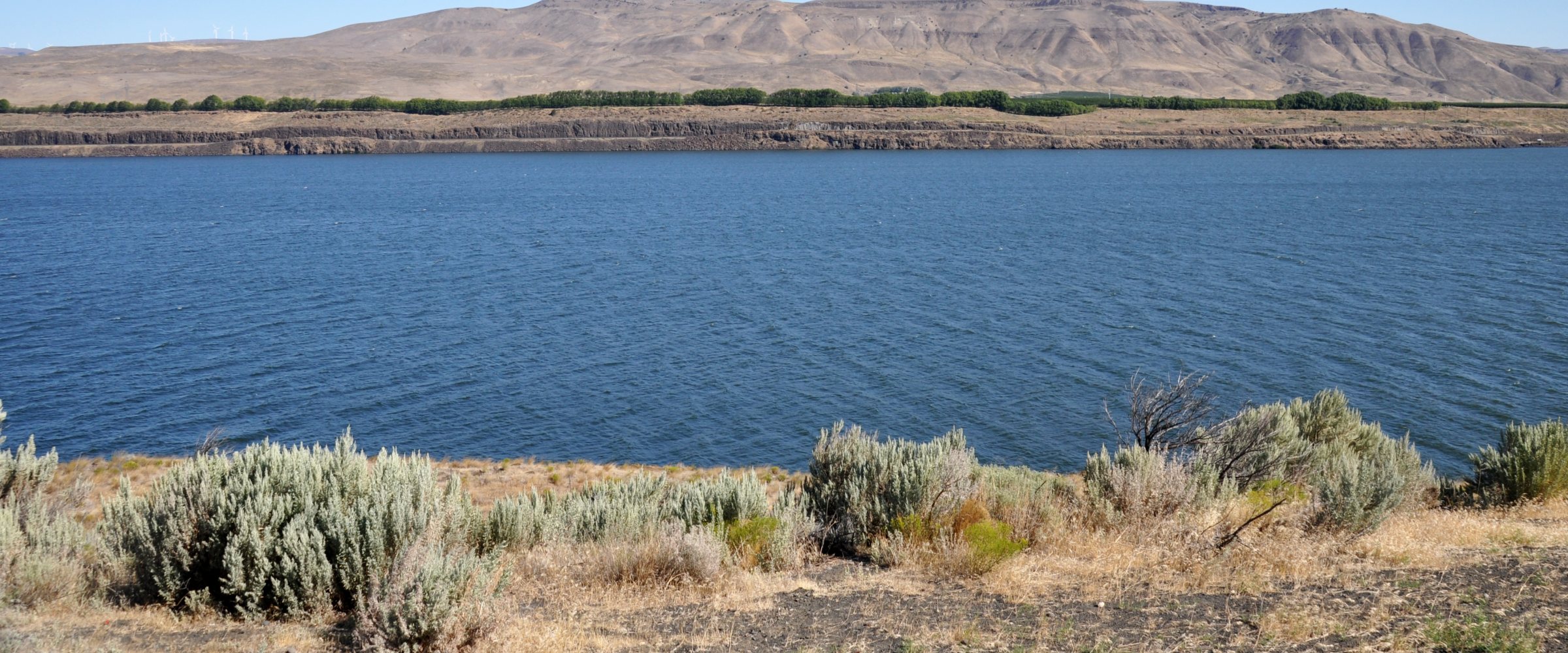
Columbia River west of Arlington. Photo: James St. John, CC BY 2.0, cropped
Key Findings
3
Development scenarios
PC laid out Future Options Open, Balanced and Industrial Park scenarios, which can also serve as phases. Site work ranges from $0 to $15.5 million, $22.2 to $24.5 million, and $19.6 to $19.7 million.
$133.1K
To serve the site with a well
The site has no power, water or sewer. A well, pump and piping would cost about $133.1K, versus $11.2 to $11.4 million to extend water and sewer from Arlington, about 8 miles away.
3rd
Of 19 solar-producing Oregon counties
Gilliam County’s renewable energy output and the site’s I-84, rail and Columbia River access could suit energy-intensive industry or a future hydrogen supply chain.
Source: Points Consulting, Willow Creek Industrial Site Feasibility Plan, November 2024. Costs reflect site leveling only.
Project Overview
In November 2024, the PC team completed a feasibility study for an underutilized 64-acre industrial site owned by the Port of Arlington (OR). Though it is currently a gravel quarry, our team provided insight as to whether regional economic and community support is strong enough to sustain a mixed-use, industrial site that complements current key industries and future development priorities.
During the project, our project team hosted a community townhall to gauge the needs of the immediate community, through the lens of both industry and recreation. Our team also conducted in-depth interviews of both private and public sector representatives of the region. These community insights helped inform the three development scenarios we put together for the Port. These included the ‘Future Options Open’, ‘Balanced’, and ‘Industrial Park’ scenarios, which ranged from least to most vigorous in development and investment efforts. In addition to accounting for market outcomes and physical constraints, our team developed potential cost estimates for each scenario based on land development costs.
