
Hitting the Target: Housing Needs Assessment & Forecast for Broken Arrow, Oklahoma 2023-2040

March 29, 2024
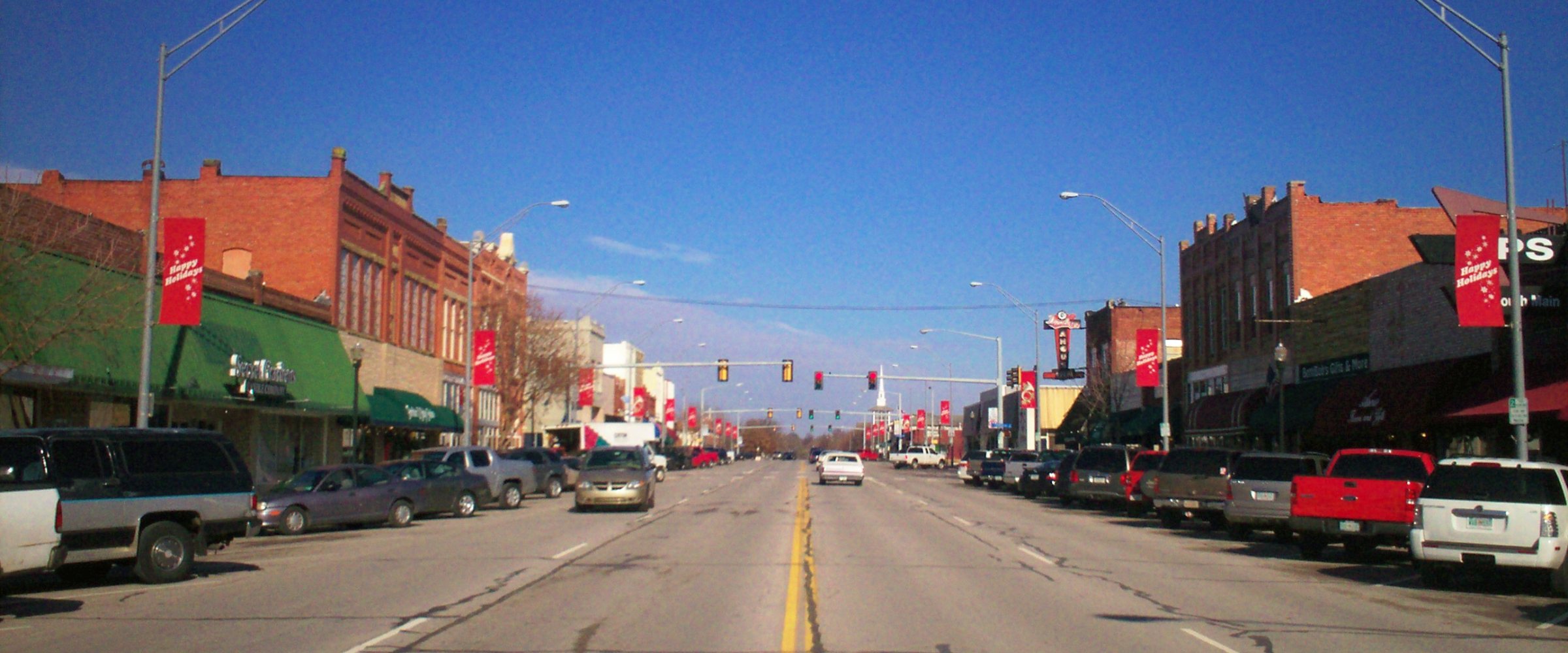
Main Street in downtown Broken Arrow, Oklahoma

Project Summary

Broken Arrow, Oklahoma

A fast-growing Tulsa-area city whose relative affordability is under pressure from population growth.

Main Street, Broken Arrow. Photo: Jordan MacDonald, Public domain, cropped

ClientCity of Broken Arrow
Completed2024
ScopeHousing Needs Assessment & Forecast
Survey4,178 Responses

Key Findings

01

72%

Of low-income renters are cost-burdened

Broken Arrow is more affordable than many peer cities, with a median home value of $265K, but 72% of low-income renters are cost-burdened and 22% of prospective buyers struggle to afford an average home.

02

18,000-24,000

New units possible by 2040

Across status quo, moderate density and infill scenarios, the City could add about 18,000 to 24,000 units from 2023 to 2040 as it gains close to 40,000 residents.

03

86%

Of residential land is single-family only

86% of Broken Arrow’s residentially zoned land is reserved for single-family homes, well above the national figure of roughly 75%.

Source: Points Consulting, Hitting the Target: Housing Needs Assessment & Forecast for Broken Arrow, Oklahoma, 2023-2040, 2024.

Project Overview

Points Consulting completed a comprehensive housing and demographic study for the City of Broken Arrow, Oklahoma, with the aim of assessing the current and future housing needs of the community. While Broken Arrow’s housing affordability outpaces national and state averages, around 72% of low-income renters are cost burdened, while around 15% of owner-occupied households are cost burdened. Additionally, 22% of prospective homebuyers struggle to afford average-priced homes. Despite its relative affordability, population growth threatens to inflate housing costs in the future, which may increase the share of those who are unable to afford a home. By evaluating the existing conditions and analyzing trends in population growth and housing supply over the next 20 years, Points Consulting provided recommendations to enhance and maintain existing neighborhoods, and improve mobility between them. The final study will provide valuable insights to the city on the regional housing market and can assist them in preparing for the future as well as enhancing the quality of life of their community.